Evidence-Based Sleep Treatment
What is CBT-I?
The Gold Standard for Insomnia Treatment
Cognitive Behavioral Therapy for Insomnia (CBT-I) is a proven, non-medical treatment that addresses the root causes of sleep problems. Unlike sleeping pills, CBT-I provides lasting results by changing the thoughts and behaviors that keep you awake. Recommended by sleep specialists worldwide as the first-line treatment for chronic insomnia.

CBT-I Success Statistics
Real results from clinical research and our Canadian network
Understanding CBT-I: More Than Just Sleep Hygiene
CBT-I is a structured, evidence-based program that goes far beyond basic sleep tips
Why CBT-I Works When Other Treatments Fail
Unlike medications that only provide temporary relief, CBT-I addresses the underlying psychological and behavioral factors that maintain insomnia. Research shows that CBT-I is more effective than sleeping pills for long-term sleep improvement, with benefits lasting years after treatment completion.
Cognitive Component
Identifies and changes negative thought patterns about sleep that create anxiety and perpetuate insomnia.
Behavioral Component
Modifies sleep habits and behaviors through techniques like sleep restriction and stimulus control.
Sleep Education
Provides comprehensive understanding of sleep science and healthy sleep practices.
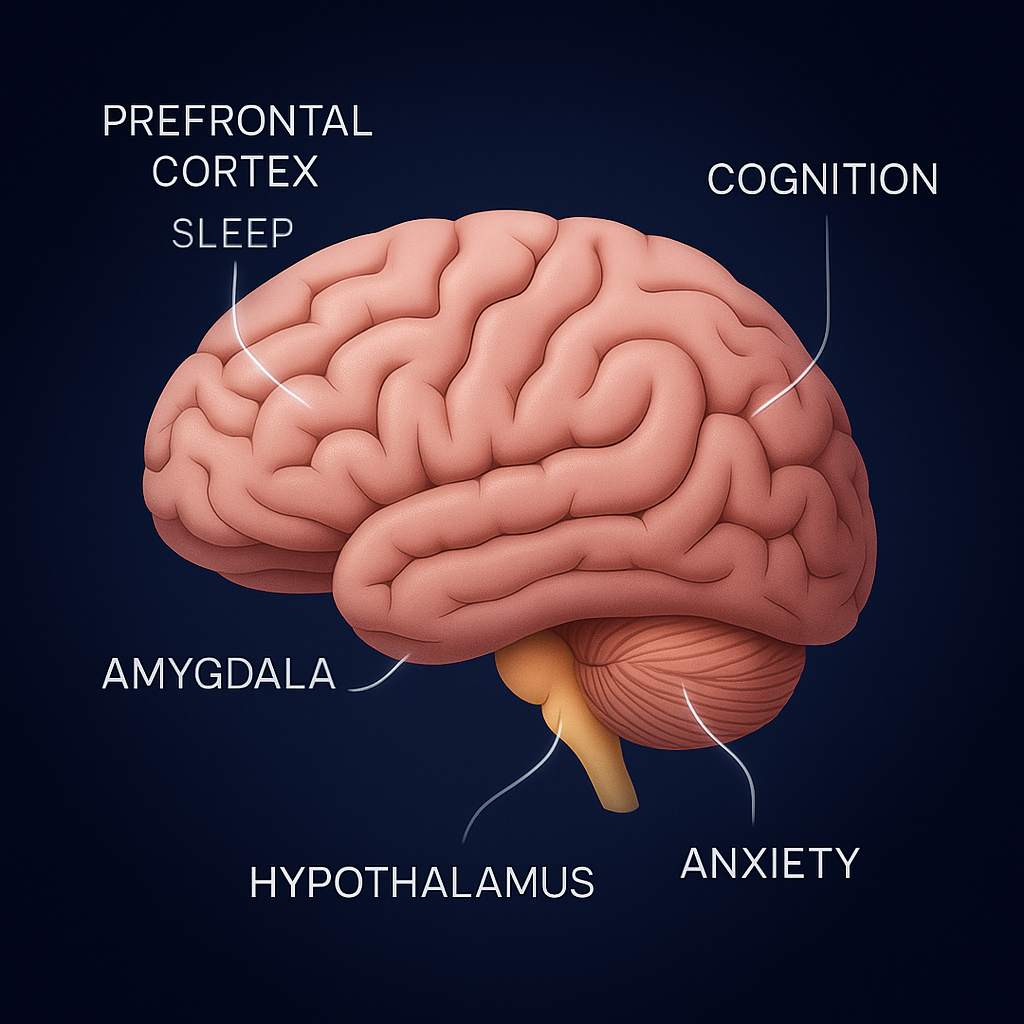
How CBT-I Works: Breaking the Insomnia Cycle
Insomnia keeps itself going through a loop of worried thoughts and well-meant habits. CBT-I targets each part of that loop.
Why insomnia sticks around
Insomnia often starts with something specific, like stress, illness or a new baby. It tends to stay because of what happens next: you spend extra time in bed trying to catch up, your schedule drifts, and you start dreading bedtime. Over time your bed becomes linked with being awake, frustrated and worried instead of with sleep.
CBT-I works on both sides of that loop. The cognitive side deals with the thoughts and beliefs that make sleep feel high-stakes. The behavioural side resets the habits and schedule that throw off your body clock and weaken your drive to sleep.
It's an active therapy. Between sessions you practise the techniques at home and track your nights in a sleep diary. Your clinician uses that diary to fine-tune your plan, for example by widening your sleep window as your sleep consolidates. That practice is what builds skills you can keep using long after treatment ends.
It builds your natural sleep drive
Sleep restriction doesn't mean depriving yourself of sleep. It temporarily matches your time in bed to the sleep you're actually getting, so your body's urge to sleep builds up. Sleep becomes deeper and less broken, and your time in bed is gradually extended as your sleep efficiency improves.
It retrains your bed to mean sleep
With stimulus control, you go to bed only when sleepy, use the bed only for sleep and sex, get up and do something quiet in another room if you're awake for roughly 20 minutes, and keep the same wake-up time every day, no matter how the night went.
It quiets the "I'll never sleep" thoughts
Cognitive work helps you notice beliefs like "I need 8 hours or tomorrow is ruined," weigh the evidence, and swap them for something more balanced, like "I might have a rough night, but I've slept before and I will again." Less pressure means less bedtime anxiety.
It turns down bedtime arousal
A racing heart and tense muscles make sleep hard. Progressive muscle relaxation, slow belly breathing, mindfulness and guided imagery help shift your body out of alert mode so sleep can take over.
Core CBT-I Techniques
The proven methods that make CBT-I the most effective insomnia treatment
Sleep Restriction Therapy
Limits time in bed to match actual sleep time, improving sleep efficiency and reducing time lying awake.
Stimulus Control
Re-associates the bedroom with sleep by establishing consistent sleep-wake schedules and bedroom rules.
Cognitive Restructuring
Identifies and challenges unhelpful thoughts about sleep that increase anxiety and worsen insomnia.
Relaxation Training
Teaches progressive muscle relaxation, breathing techniques, and mindfulness to reduce pre-sleep tension.
Sleep Hygiene Education
Optimizes sleep environment and daytime habits that support healthy sleep patterns.
Relapse Prevention
Develops strategies to maintain sleep improvements and handle occasional sleep disruptions.
How CBT-I Treatment Works
A typical CBT-I program follows a structured, evidence-based approach
Assessment & Sleep History
Comprehensive evaluation of your sleep patterns, medical history, and factors contributing to insomnia using sleep diaries and questionnaires.
Personalized Treatment Plan
Based on your assessment, a customized CBT-I program is developed targeting your specific sleep challenges and goals.
6-8 Weekly Sessions
Regular therapy sessions (individual or group) where you learn CBT-I techniques with professional guidance, then practise them at home between sessions. That "homework" is where most of the change happens.
Progress Monitoring
Continuous tracking of sleep improvements through sleep diaries, with adjustments made to optimize your treatment response.
Long-term Success
Maintenance strategies and follow-up support ensure lasting sleep improvements and provide tools for future sleep challenges.
CBT-I vs. Sleep Medications: The Clear Winner
Scientific research consistently shows CBT-I superiority for long-term sleep health
Why Sleep Specialists Recommend CBT-I First
Major medical organizations including the American Academy of Sleep Medicine and Canadian Sleep Society recommend CBT-I as the first-line treatment for chronic insomnia. This evidence-based approach provides the most comprehensive and lasting solution for sleep problems.
No Side Effects
CBT-I has no adverse effects, unlike sleep medications which can cause dependency, tolerance, and morning grogginess.
Lasting Results
Benefits persist long after treatment ends, while medications only work while being taken.
Addresses Root Causes
Treats underlying factors maintaining insomnia rather than just masking symptoms.
Cost-Effective
One-time treatment investment provides years of better sleep, unlike ongoing medication costs.
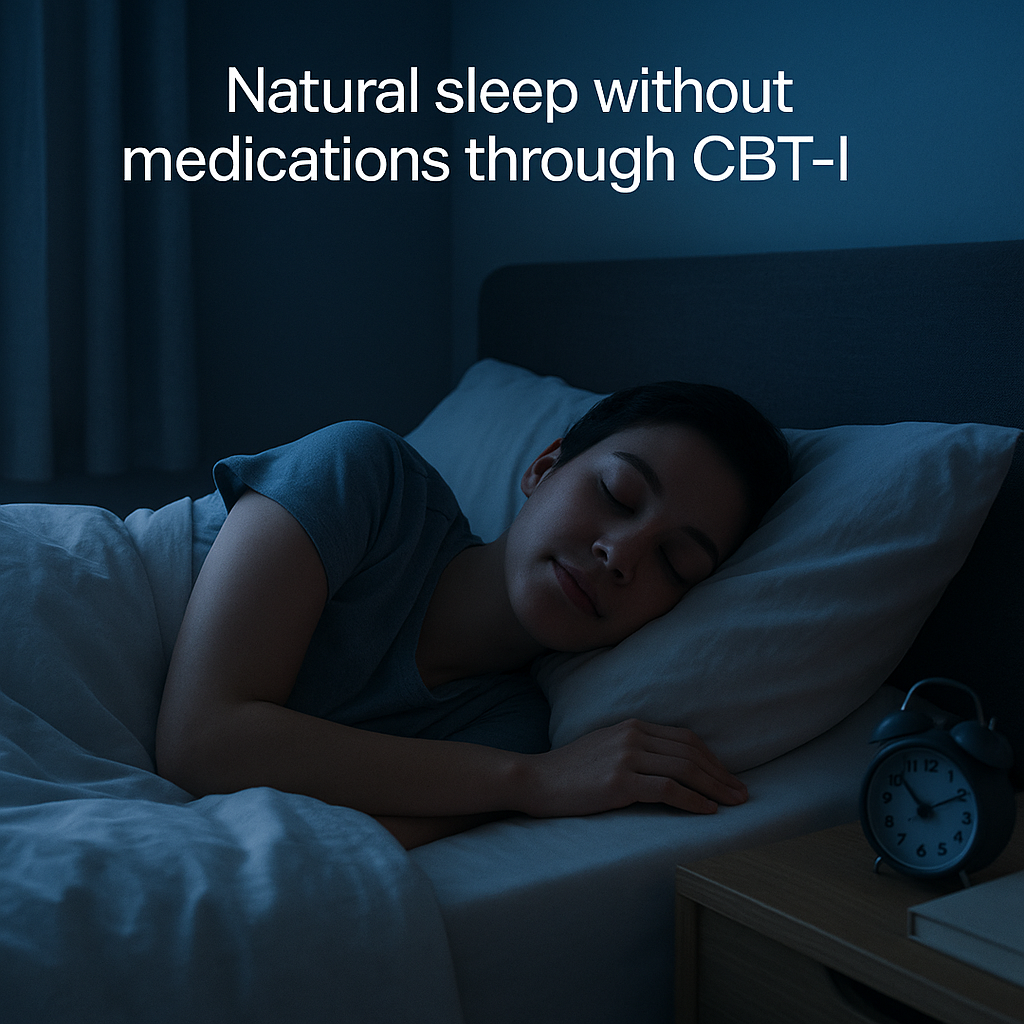
A Drug-Free Insomnia Treatment
What going drug-free with CBT-I actually looks like, including the parts nobody mentions up front
Sleeping pills can help in the short term, but they can come with side effects like next-day grogginess, dizziness and memory problems, and some people get rebound insomnia when they stop. Just as importantly, they don't change the thoughts and habits that keep insomnia going.
CBT-I takes a different route: no prescriptions, just skills. You learn how your sleep system works and how to work with it, which gives you a sense of control and a toolkit for handling future rough patches without reaching for a pill. For a deeper comparison, see our guide to CBT-I vs. sleeping pills.
Already taking a sleep aid?
You can usually start CBT-I while you're still on sleep medication. Many people find they need it less as their sleep improves, but any change to your medication should be made gradually and with your doctor or pharmacist, never stopped abruptly on your own.
Expect to feel a bit tired at first
In the early weeks of sleep restriction, temporary daytime sleepiness is common. It's part of how the therapy rebuilds your sleep drive and usually eases as your sleep consolidates. Take extra care with driving and other activities that need full alertness during this phase.
Everyday habits that support CBT-I
Get morning daylight, keep a consistent wake time (weekends too), wind down away from screens, keep caffeine and alcohol away from the evening, and make your bedroom dark, quiet and cool. These habits won't fix chronic insomnia on their own, but they make CBT-I's job easier.
Think of it as learning a skill
CBT-I isn't an overnight fix. Some people notice changes within a few weeks; for others it's more gradual, and the odd bad night along the way is normal. Sticking with the plan through those nights is what makes the results last.
Who Benefits from CBT-I?
CBT-I effectively treats various sleep challenges across diverse populations
Primary treatment for difficulty falling asleep, staying asleep, or early morning awakening lasting 3+ months.
Helps healthcare workers, first responders, and others adapt to irregular schedules while maintaining sleep quality.
Addresses racing thoughts, worry, and sleep anxiety that keep people awake at night.
Provides a pathway to reduce or eliminate reliance on sleep medications while maintaining good sleep.
Manages sleep problems triggered by work stress, life transitions, or traumatic events.
Helps older adults adapt to natural sleep pattern changes while maintaining restorative sleep.
Frequently Asked Questions About CBT-I
Get answers to common questions about Cognitive Behavioral Therapy for Insomnia
What is CBT-I and how does it work for insomnia?
CBT-I (Cognitive Behavioral Therapy for Insomnia) is a structured, evidence-based treatment that combines cognitive therapy, behavioral interventions, and sleep education. It works by identifying and changing thoughts and behaviors that interfere with sleep, using techniques like sleep restriction, stimulus control, and cognitive restructuring to break the cycle of insomnia.
How long does CBT-I treatment take to cure insomnia?
Most CBT-I programs consist of 6-8 weekly sessions lasting 45-60 minutes each. Patients typically begin experiencing sleep improvements within 2-4 weeks, with significant results by week 6-8. Unlike sleep medications, CBT-I provides lasting benefits that continue long after treatment completion.
Is CBT-I better than sleeping pills for chronic insomnia?
Yes, research consistently shows CBT-I is more effective than sleep medications for long-term insomnia treatment. CBT-I provides lasting results without side effects, dependency risks, or tolerance issues. While medications only work while being taken, CBT-I creates permanent changes in sleep patterns and behaviors.
What's the difference between CBT-I and regular CBT?
Cognitive behavioural therapy (CBT) is a broad approach used for many mental health concerns. CBT-I is a specialized version built specifically for insomnia. It shares CBT's core ideas, but its techniques, like sleep restriction and stimulus control, are tailored to sleep-related thoughts, habits and physiology.
Can I keep taking sleeping pills while I do CBT-I?
Often, yes. Many people start CBT-I while still using a sleep aid, and a common goal is to reduce or stop it over time. Make any medication changes gradually and with guidance from your doctor or pharmacist rather than stopping on your own.
Can I do CBT-I on my own?
Self-help books and apps based on CBT-I can be useful, especially for milder sleep problems. For chronic insomnia, working with a trained clinician usually works best, because they tailor the plan to your sleep diary, adjust techniques like sleep restriction safely, and keep you on track when it gets tough.
Does CBT-I work for sleep anxiety and racing thoughts at bedtime?
Absolutely. CBT-I specifically targets sleep-related anxiety through cognitive restructuring techniques that identify and challenge catastrophic thoughts about sleep. It teaches relaxation techniques, mindfulness, and thought-stopping strategies to quiet racing minds and reduce bedtime anxiety.
Can I do CBT-I online or do I need in-person therapy sessions?
Both online and in-person CBT-I are highly effective. Digital CBT-I programs (dCBT-I) and telehealth sessions have shown comparable success rates to face-to-face treatment. Online options make CBT-I accessible regardless of location, schedule constraints, or mobility limitations.
Is CBT-I covered by health insurance in Canada?
Coverage varies by province and insurance plan. Many extended health benefits cover psychology services that include CBT-I. Some provinces offer publicly funded CBT-I programs. Our platform helps connect you with providers who accept your specific insurance and can guide you through coverage options.
What conditions can CBT-I treat besides chronic insomnia?
CBT-I effectively treats various sleep disorders including sleep maintenance insomnia, early morning awakening, shift work sleep disorder, sleep anxiety, and insomnia related to chronic pain, PTSD, depression, or medical conditions. It also helps people reduce dependence on sleep medications.
How do I find a qualified CBT-I therapist near me in Canada?
We have you covered! MySleepHealth.ca connects you with licensed CBT-I therapists and sleep specialists across Canada. You can search by location, read therapist profiles, and book appointments online. All our providers are trained in evidence-based CBT-I techniques to ensure you receive the highest quality care. Start by taking our free sleep assessment to better understand your sleep patterns before meeting with a therapist.
Ready to Transform Your Sleep with CBT-I?
Join thousands of Canadians who have overcome insomnia through evidence-based CBT-I treatment. Take the first step toward better sleep health today.