· Don Schmidt · Sleep Tips · 6 min read
Why You Have Trouble Waking Up (And What to Do About It)
Struggling to get out of bed every morning? Learn why you have trouble waking up, what's happening in your brain, and practical ways to feel alert sooner.
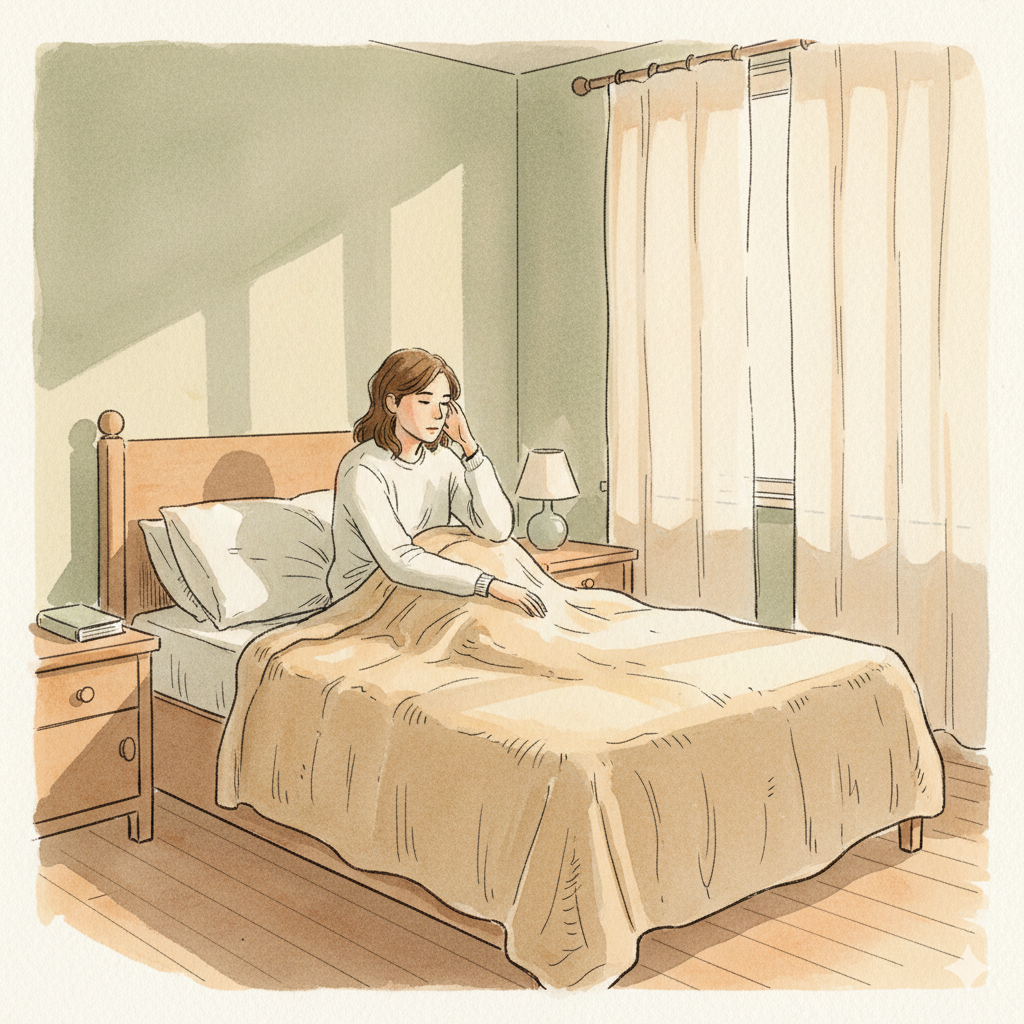
You hear the alarm. Somewhere in the fog, you register that it’s morning. And then you lie there, unable to move, negotiating with yourself about just five more minutes — which somehow becomes thirty. If that sounds familiar, you’re not alone. Trouble waking up is one of the most common sleep complaints people have, and it’s more than just being a “night owl” or lacking willpower.
The real reasons you can’t get up are rooted in biology, behaviour, and sometimes an underlying sleep problem that’s worth addressing. Here’s what’s going on and what you can actually do about it.
What’s Happening in Your Brain When You Wake Up
That heavy, disoriented feeling you get when the alarm goes off has a name: sleep inertia. It’s the grogginess that bridges sleep and full wakefulness, and for some people it fades in a few minutes. For others, it lingers for an hour or more.
Sleep inertia happens because your brain doesn’t switch from sleep to wakefulness all at once. Different regions come back online at different speeds. Your motor cortex (movement) tends to wake up before your prefrontal cortex (decision-making and alertness), which is why you can physically silence your alarm but still feel completely checked out.
The severity of sleep inertia depends a lot on where you are in your sleep cycle when the alarm fires. Waking up mid-way through a deep sleep stage — called slow-wave sleep — produces much stronger grogginess than waking during a lighter stage. This is why some mornings feel brutal and others feel okay, even at the same time.
The Most Common Reasons You Can’t Get Out of Bed
Sleep inertia is normal, but it shouldn’t be debilitating every single day. If you regularly have trouble waking up, one or more of these is likely at play.
You’re not getting enough sleep
This one sounds obvious, but it’s worth saying plainly: most adults need between seven and nine hours of sleep to function well. If you’re consistently cutting that short, your body accumulates what researchers call sleep debt — and your brain will fight you every morning to recover it. No amount of willpower overrides a brain that’s genuinely under-slept.
Your sleep quality is poor
You can spend eight hours in bed and still feel exhausted if your sleep is fragmented or shallow. Conditions like sleep apnea, restless legs syndrome, or chronic stress can disrupt the deep and REM sleep your brain needs most. Quantity and quality are both part of the equation.
Your circadian rhythm is out of sync
Your body runs on an internal clock that regulates when you feel sleepy and when you feel alert. If your natural sleep window is shifted later than your alarm requires — a pattern sometimes called delayed sleep phase — you’ll chronically feel like you’re waking up in the middle of the night. This is especially common in teenagers and younger adults, but it affects people of all ages.
Light exposure plays a huge role here. Scrolling through your phone in the evening delays your circadian clock, making it harder to fall asleep early and therefore harder to wake up on time.
You’re relying on the snooze button
The snooze button feels merciful, but it often makes things worse. When you hit snooze and drift off again, your brain may re-enter a sleep cycle it won’t be able to complete before the next alarm. You end up waking mid-cycle repeatedly, which deepens sleep inertia rather than relieving it. The first alarm is usually your best shot at a cleaner wake-up.
Practical Ways to Wake Up Feeling More Alert
The good news is that most causes of trouble waking up respond well to behavioural changes. None of these require expensive gadgets or extreme discipline.
Anchor your wake time. Pick one wake time and stick to it every day — including weekends. Your circadian rhythm is sensitive to consistency. A fixed wake time is one of the most powerful signals you can give your body clock.
Get light in your eyes as soon as you wake up. Light suppresses melatonin and advances your circadian clock. Open the blinds, step outside, or sit near a bright window for ten to fifteen minutes in the morning. If you’re waking before sunrise, especially through Alberta’s darker winter months, a light therapy lamp can be a useful substitute.
Move your alarm across the room. Forcing yourself to physically get up to turn it off removes the option of unconscious snoozing. Once you’re standing, the transition to wakefulness is faster.
Wind down your evenings deliberately. A good morning starts the night before. Dim lights an hour before bed, limit screen time, and aim to be in bed close to the same time each night. The calmer your brain is when it goes to sleep, the more naturally it tends to come back online in the morning.
Be careful with caffeine timing. Caffeine consumed after about 2 p.m. can linger in your system and reduce your sleep quality, making the next morning harder. If you’re sensitive to caffeine, you might push that cutoff even earlier.
When Trouble Waking Up Signals a Bigger Sleep Problem
For most people, tweaking sleep habits makes a real difference. But if you’ve tried the basics and you’re still struggling — if no amount of sleep feels like enough, or if you lie awake at night and can’t compensate with earlier bedtimes — it’s worth looking at whether an underlying sleep disorder is involved.
Insomnia, for example, doesn’t always look like lying awake staring at the ceiling. Some people with insomnia fall asleep fine but wake repeatedly through the night (often waking up at 3am and staying awake), leaving them exhausted and barely functional in the morning. Others have difficulty falling asleep in the first place, so the alarm goes off before they’ve had enough sleep. If either has turned into trouble sleeping every night, better mornings start with better nights. If anxiety is driving poor sleep quality, that’s worth addressing directly — there’s a useful overview of how anxiety and insomnia reinforce each other in this post on anxiety-driven insomnia.
The most evidence-backed treatment for chronic insomnia isn’t a stronger alarm or a different supplement — it’s Cognitive Behavioural Therapy for Insomnia (CBT-I). CBT-I works by identifying and changing the thought patterns and behaviours that perpetuate poor sleep. It addresses sleep quality at the root level, which in turn makes waking up less of a battle.
You Don’t Have to Fight Your Mornings Forever
Trouble waking up is frustrating, but it’s rarely permanent. For most people, it comes down to sleep debt, poor sleep timing, or habits that are quietly undermining their sleep quality. Small, consistent changes — especially anchoring your wake time and managing light exposure — can shift how you feel in the morning more than you might expect.
If you’ve tried the behavioural fixes and mornings still feel impossible, that’s a signal your sleep needs more targeted support. Reach out through the contact page to learn more about CBT-I and whether it’s a good fit for what you’re dealing with. You shouldn’t have to dread getting up every day.
Assess Your Sleep Quality Today
Take our My Sleep Health Score assessment to get personalized insights about your sleep patterns and discover how CBT-I can help you achieve better sleep.

Don Schmidt
15+ years of experience in sleep therapy and Cognitive Behavioral Therapy for Insomnia (CBT-I). Passionate about connecting individuals struggling with sleep disorders to evidence-based, non-medical treatment solutions. Author of hundreds of articles and comprehensive guides on sleep health, CBT-I techniques, and overcoming insomnia. When not helping clients achieve better sleep, you can find me hiking with my family and dogs or enjoying a good book.
Ready to connect with a provider?
Allow us to connect you with a provider who can help.